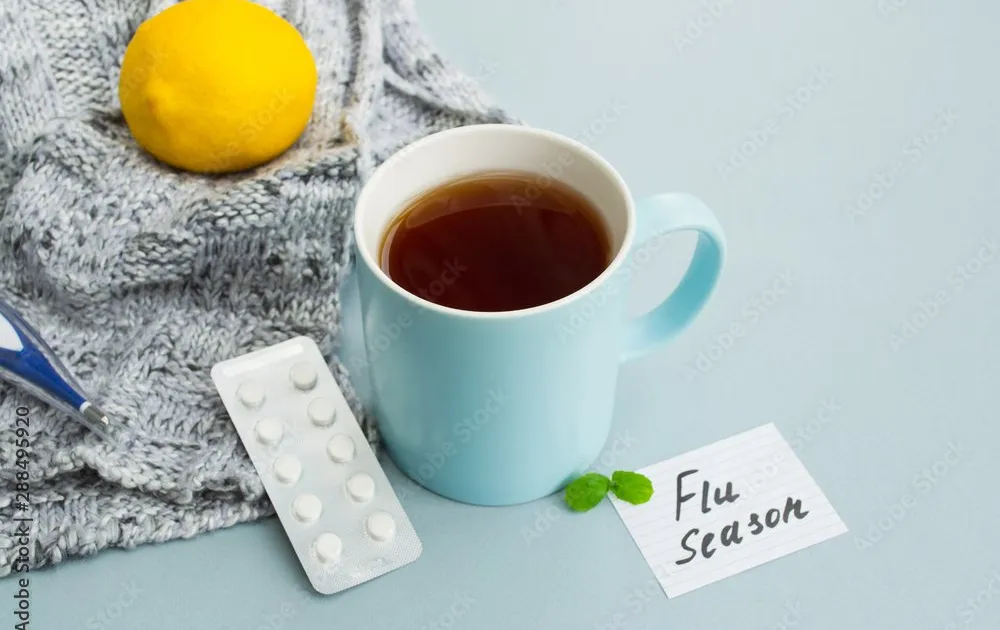
Flu season is an annual reality, and for many older adults, it can represent more than just a few tough days under the weather. Because immune systems weaken with age, adults 65 and older are more likely to experience serious complications from influenza, including dehydration, pneumonia, or hospitalization, especially if they have chronic conditions like heart disease, diabetes, or respiratory issues. Taking steps to prevent the flu and knowing what to do if you get sick can make all the difference in protecting your health and independence.
Why Seniors Are at Higher Risk
Getting older doesn’t mean you’ll automatically get severe flu symptoms, but it does mean your body may have a harder time fighting infections. This puts older adults at a greater risk for complications that can affect daily life and long-term health. Vaccination, healthy habits, and early care are key to staying well during flu season.
How to Help Prevent the Flu
Get Your Annual Flu Shot The single best way to prevent the flu is to get vaccinated every year. Many seniors are offered high-dose or enhanced vaccines, which are designed to provide stronger protection for older immune systems. Even if you do get the flu, vaccination often leads to milder symptoms and fewer complications.
Practice Good Hygiene Habits
- Wash hands frequently with soap and water
- Use hand sanitizer when washing isn’t available
- Avoid touching your face
- Cover coughs and sneezes with your elbow or a tissue
These everyday actions help reduce the spread of flu viruses in your home and community.
Mind Your Overall Health
Staying well-rested, eating nutritious meals, staying hydrated, and maintaining regular physical activity all support your immune system, helping you stay healthier throughout flu season.
Recognizing Flu Symptoms
Flu symptoms can come on suddenly. Common signs include:
- Fever or chills
- Cough or sore throat
- Fatigue or weakness
- Muscle or body aches
- Headache
- Nasal congestion
Some seniors may not develop a fever, so pay attention to changes in energy, breathing, or appetite. If symptoms appear, don’t wait, early care makes a difference.
What to Do If You Get Sick
Call Your Healthcare Provider Early
If you develop flu symptoms, contact your doctor right away, especially during peak flu season. Antiviral medications are most effective when started early, and your provider can recommend the best course of action.
Rest and Hydrate
Getting plenty of rest and drinking extra fluids can help your body fight the virus and avoid complications like dehydration.
Stay Home and Limit Exposure
Stay home until you’ve been fever-free for at least 24 hours without fever-reducing medication to avoid spreading the flu to family, friends, or caregivers.
Know When to Seek Immediate Care
Contact a medical professional right away or seek emergency care if you experience:
- Difficulty breathing or shortness of breath
- Chest pain
- Confusion or extreme drowsiness
- Severe weakness or symptoms that improve and then worsen
Prompt care can prevent complications and help keep you safe.